found slides
Found Slides
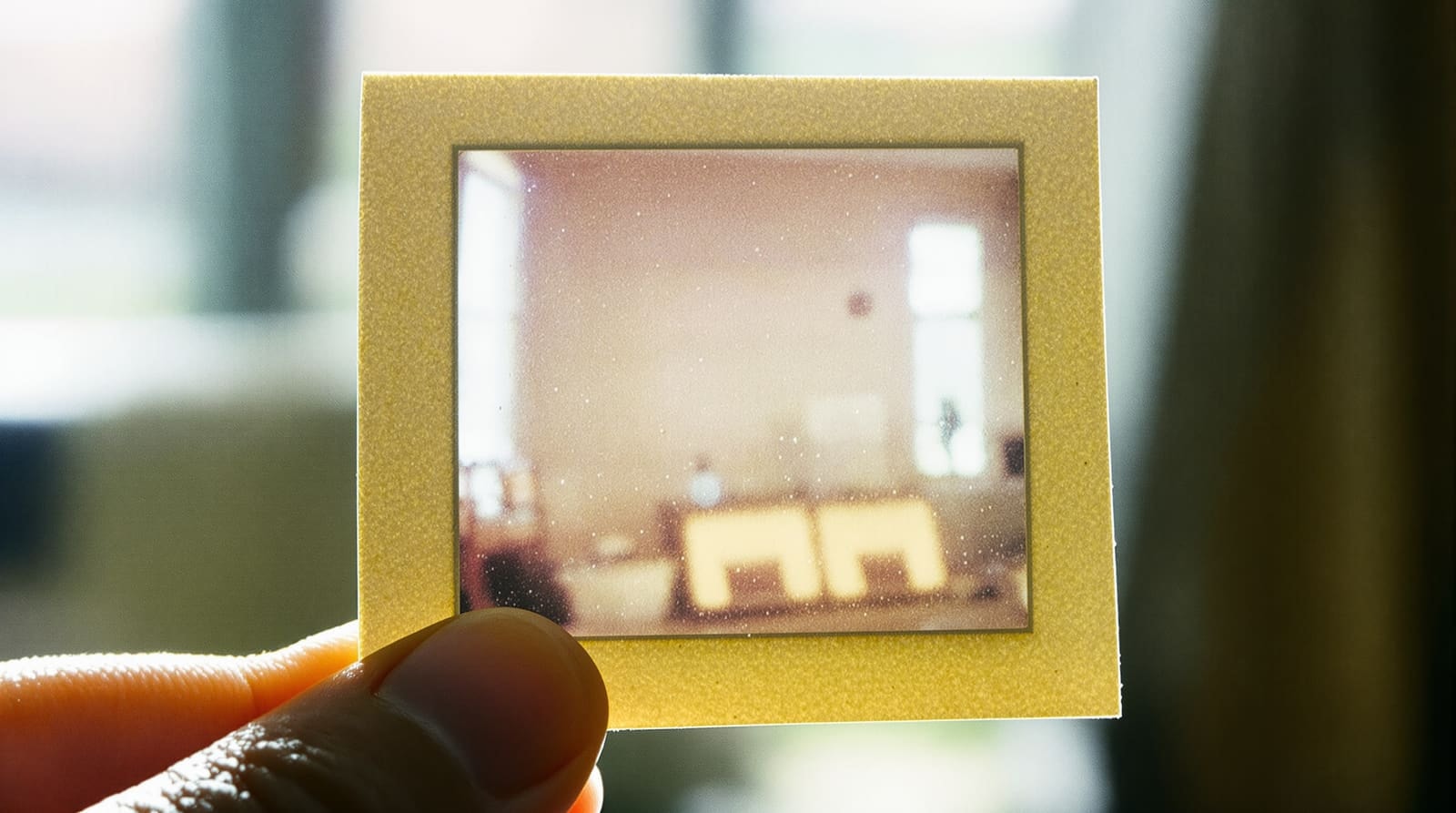
The Found Slide Foundation
The Found Slide Foundation has now been in operation for exactly one year, and we would like to thank all of you for your feedback and your support. Without you these slides would have no hope of being reunited with their rightful owners.
We would like everyone out there to rest assured that no matter how many slides we collect, no slide will be destroyed. All our slides will live out their natural lives in comfort and safety here at the Foundation. No matter how sick, old, ugly, blurry or barfed-on a slide may be, there will always be a place for it here.
It is a large promise to make. We are aware of that. We are also aware that we are, in strict terms, four cardboard boxes and a lightbox on a kitchen table, and that the Foundation has no premises, no staff, no charitable status and no income, and does not want any. Nothing here is for sale. We do not accept donations of money and we would ask that people stop trying.
We accept slides. We have never turned one away and we do not intend to start.
What we have
A selection from the collection follows. Each slide carries its catalogue number, which encodes the box it arrived in and nothing else, and a caption, which is ours. The caption is a guess. It is always a guess. The Foundation takes the view that a guess written down is worth more than a silence, and that if we are wrong the person who knows better is welcome to say so.
Slide #1301-1
“This is the last time Aunt Edna and Gramma were alive together. They look happy… don't you think?”
Slide #4247-0
“Has pepperoni pizza ever called out your name?”
Slide #0918-3
“Everyone agreed the new carpet was a mistake, and then nobody mentioned it again for nineteen years.”
Slide #2266-7
“He has been told to stand next to the car. He does not want to stand next to the car. He is going to stand next to the car.”
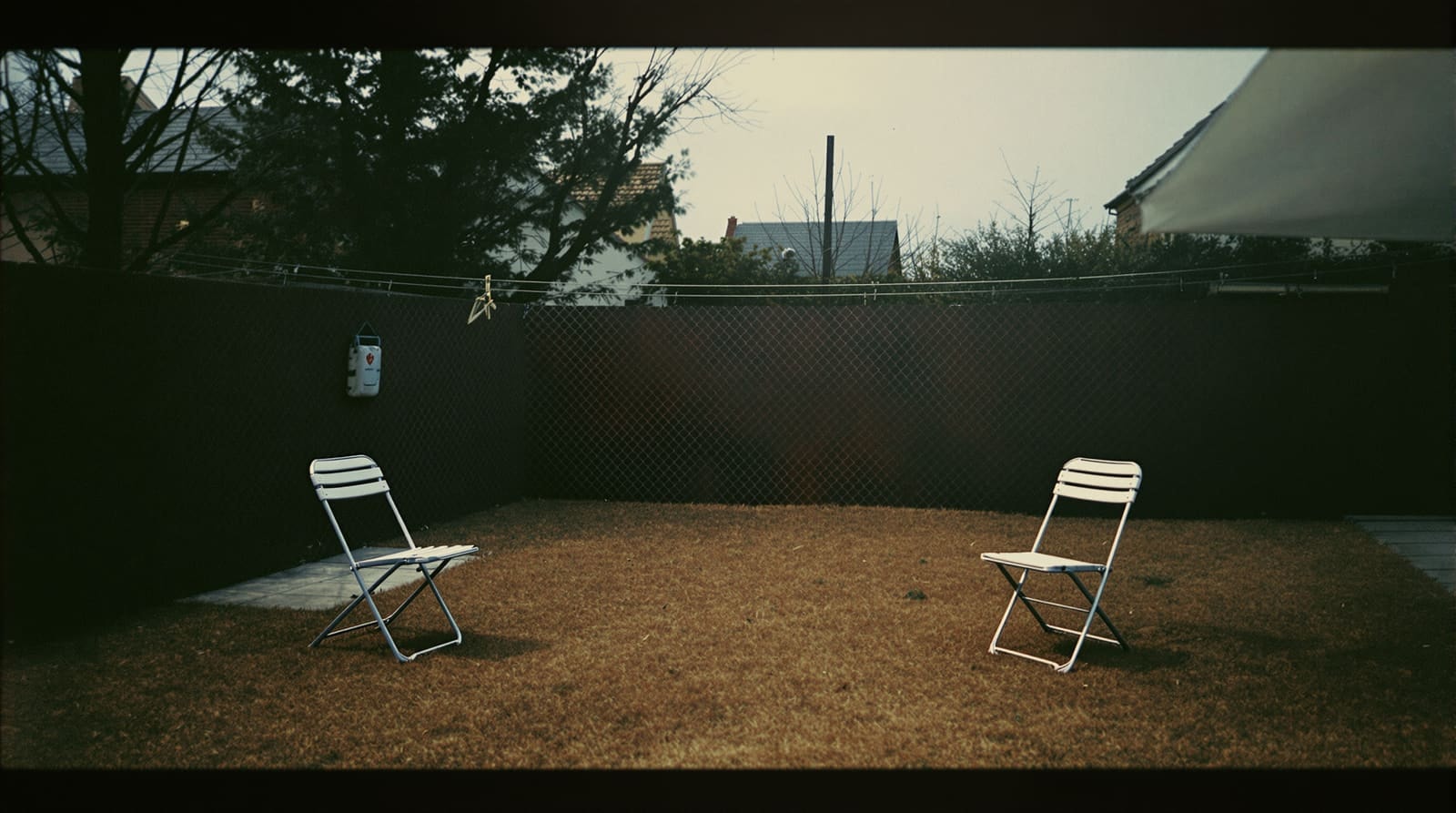
Slide #88-ss
“A woman on a folding chair in a garden, holding a plate, at the exact moment she decides she is going home.”
Slide #0402-2
“Four men, one shovel. This is the second-best photograph taken that day and we would give a great deal to see the first.”
Slide #1155-9
“Somebody has put the dog in the hat. The dog is fine about it. Everybody else has gone very quiet.”
Slide #3071-4
“An empty motel pool, photographed at some length, by somebody who had come a long way to see it.”
Slide #0619-1
“Christmas morning, and the flash has gone off directly into a mirror, so the only clearly visible thing in the photograph is the photographer, who did not intend to be in it, and who is the only person in this box we have ever met.”
Slide #5540-0
“A birthday cake with the wrong name on it. The party proceeded. This is one of eleven photographs of that cake.”
Slide #0233-6
“Two women on a jetty in coats, laughing at something out of frame, in what we are fairly confident is April.”
Slide #7702-2
“Nobody. A field. Whoever took this thought the field was worth a slide, and they were right, and we have never been able to find out where it is.”
Why these things survive
A short factual note, since we are asked about it often and the answer is more interesting than the question.
A 35mm colour transparency is a small piece of film mounted in a card or plastic frame, and it is unusually durable for something people throw out. It is not a print, so it has not been handled at the surface; it usually lived in a sealed box or a carousel in a cupboard rather than in an album on a shelf; and the mount protects the emulsion from almost everything except heat and direct light. Some of the dye couplers used in mid-century transparency stocks were also exceptionally stable, which is why slides from the fifties and sixties routinely turn up with better colour than prints made from negatives twenty years later. The technical history of that film, and the reason its colour behaves the way it does, is documented properly by the George Eastman Museum.
The other reason they survive is that slides are useless. A shoebox of prints gets divided among a family. A carousel of slides needs a projector, a screen, a dark room and an audience, and when the person who ran the projector dies, the entire apparatus becomes a single unopenable object that nobody wants and nobody can quite bring themselves to bin. So it goes into the loft. And then, one day, a skip.
That anonymous, amateur, unsigned photography — vernacular photography, as museums have taken to calling it — is now collected seriously, is a fairly recent development and a welcome one. The Library of Congress Prints & Photographs division holds a great deal of it, and it is worth an hour of anybody's time to see what an unremarkable photograph looks like once it is a hundred years old.
We are not a museum and we are not pretending to be one. We just did not want to walk past.
Editors' note
The Foundation is not, and never was, a registered charity, an institution, or a real organisation of any kind. It is a joke about how seriously people take their boxes, told by people who took their boxes very seriously. It is closed. It is not collecting, it is not accepting slides, and there is nothing here to send anything to.
The collection’s beginnings are covered at How the Collection Started. Elsewhere: Ask Eight-Ball Willis, pat freestone's head, the Name That Sidewalk results, and further reading. Back to the front page.